How to Move a Wine Collection: What Protects Bottles in Transit
Published · By Derek Showerman
The safest way to move a wine collection is to pack every bottle so it can't shift, keep the collection out of heat, and record every bottle in and out. Heat does the most damage and it can't be undone, but a bottle that is packed badly can be lost long before heat matters.
This guide covers what puts bottles at risk, how to prepare a cellar for a move, and what to ask before you hire anyone. For how we handle it, see our fine wine handling and fine wine storage services.
What damages wine in transit
Shifting and vibration. Bottles that touch or move in transit crack and scuff labels, and the label matters when a bottle is worth reselling. Older wines also carry sediment that rough handling stirs up and that needs time to settle.
Heat. Most cellars run around 55 degrees Fahrenheit. Sustained heat in the 80s can push corks, seep past closures and age the wine early, and none of it can be reversed. It is the reason wine shouldn't wait in a garage, an attic or a storage unit that isn't climate controlled.
Rough handling. Dropped cases, cases stacked past what the bottom one can bear, and cases tipped on their sides are how collections lose bottles. Training matters as much as the packing.
How we pack and move wine
Wine is not packed like household goods. There are two ways we handle it, depending on what you want.
- In containers, at your request. Wine can go into containers when you ask for them.
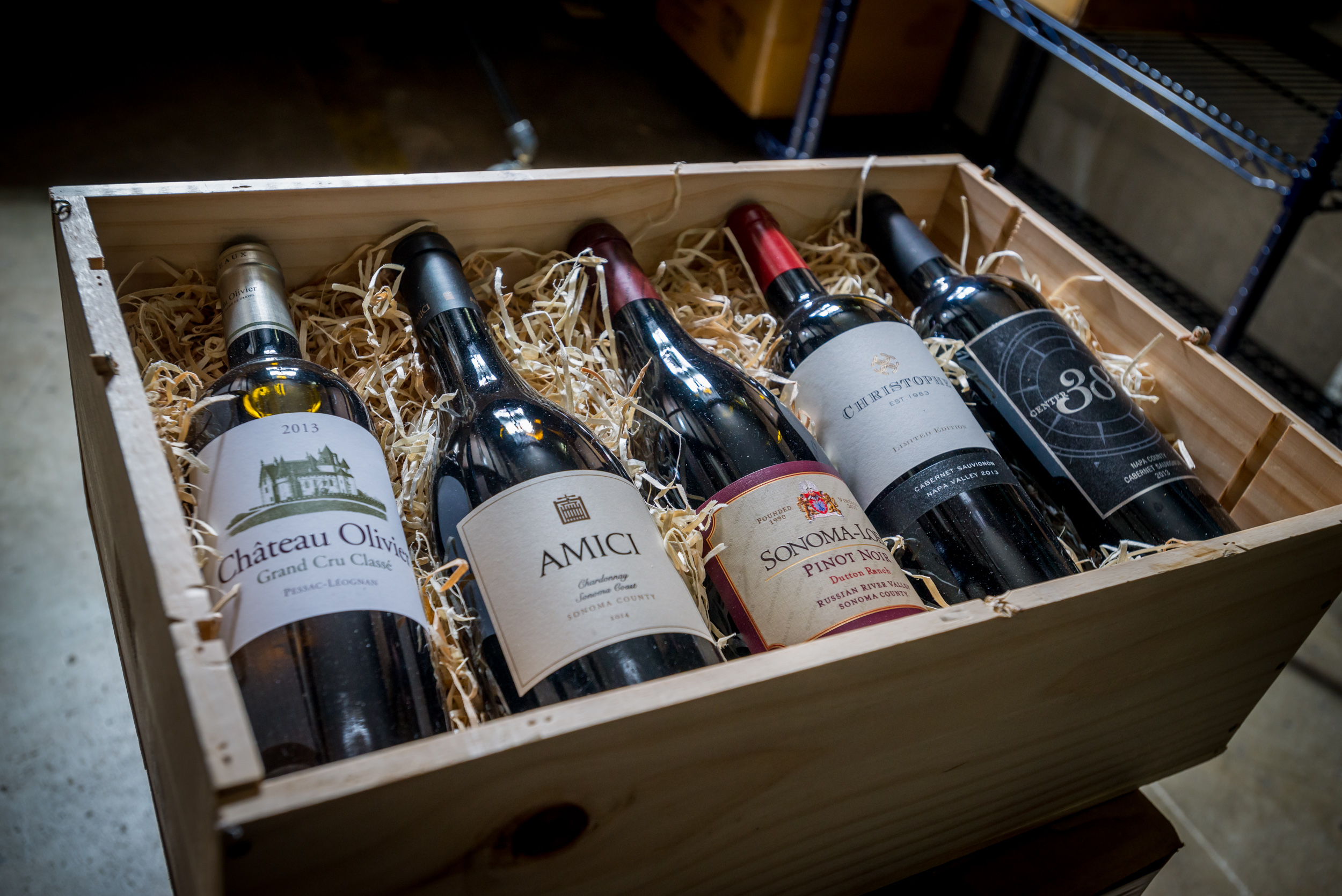
- In crates with special padding for wine. We pack the collection in crates padded for wine, and we can store the crates for you until the new cellar is ready.
Either way, each case is inspected before it leaves and again when it arrives, and every case is labeled and recorded. That gives you an inventory to match against your own, and a record for insurance, valuation and provenance.
How to prepare before the movers arrive
- Make your own inventory. A spreadsheet is enough: producer, wine, vintage, quantity and where it sits in the cellar. The mover's inventory should match yours.
- Photograph the valuable bottles. Labels and fill levels, particularly on older bottles. Your insurer will want them if there is ever a claim.
- Call your insurance company. Ask whether your policy covers wine in transit and at what value. Larger collections often need a recent appraisal. Then ask the mover in writing what their coverage is.
- Make sure the destination is ready. If the new cellar is still being built, plan to store the wine in the meantime so it isn't sitting in a garage.
- Plan to let the wine rest. Older bottles in particular are better left alone for a while after a move. Ask your wine merchant how long for yours.
Questions to ask any wine mover
- What will my wine be packed in, and is the padding made for wine?
- How are cases secured on the truck?
- Will I get an inventory at pickup and at delivery, and does every case appear on both?
- Who handles my wine, and are they employees of the company?
- Can you store the collection if the new cellar isn't ready?
Discretion
Anyone moving a valuable cellar learns what you own and where you live. Our crews are employees, not day labor. Every one is background-checked and drug-tested, and new hires spend months in the warehouse before they go into a private home.
Moving wine between Florida and New England
Many collectors keep wine in two homes. Our trucks run between New England and Florida on a regular schedule, so a seasonal move or a one-time transfer of part of a cellar can ride on routes we already drive. If the wine is moving with art and furniture, it can all be planned together with our white glove moving service.
Frequently asked questions
How do you move wine without damaging it? Pack it so it can't move, keep it out of heat, and keep a record. Wine goes into crates padded for wine, or into containers at your request, and every case is inventoried at pickup and delivery.
Do you pack wine in crates? Yes. We pack collections in crates with special padding for wine, and we can store them for you.
How hot is too hot for wine? Most collectors store wine around 55 degrees. Brief exposure to the 60s or low 70s is generally not a problem, but sustained heat in the 80s or above can damage it.
Should I move my wine myself? A few cases across town in cool weather is usually fine. A collection, or any move that takes more than a few hours, is worth handing to specialists.
Can you move wine long distance? Yes, including between Florida and New England.
Do you store wine? Yes. We can pack your wine in crates and store it until the new cellar is ready.
Move your wine collection with care
To plan a wine move, call us in Florida at (239) 263-8081 or in New England at (800) 247-5564, or request a quote on our website.
William C. Huff has been handling white glove moving since 1908.