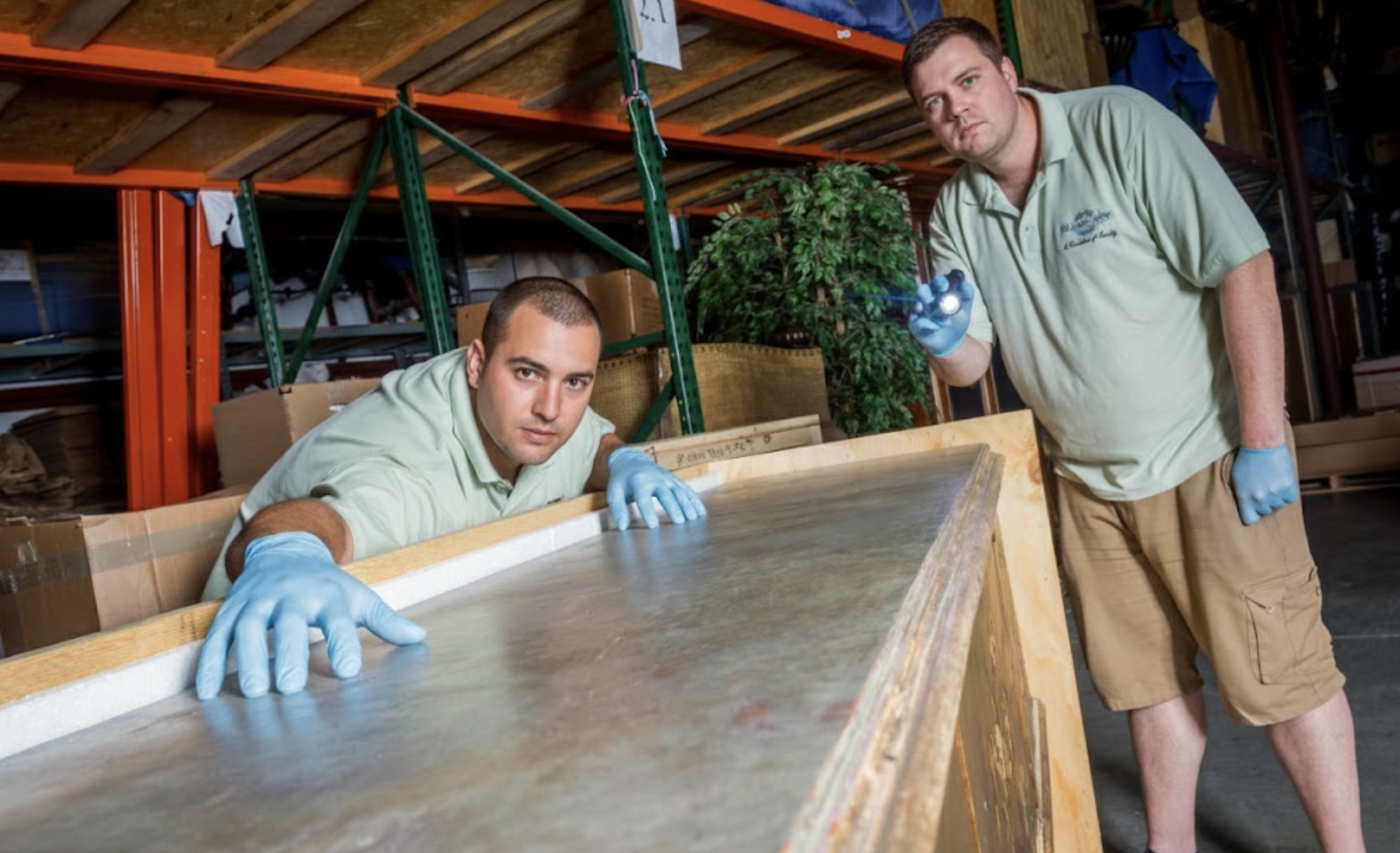
Fine Art & Antique Moving: What Interior Designers Need to Know
A practical guide for designers who source, place, and protect high-value pieces for their clients.
Interior designers are often responsible for fine art and antiques worth tens or even hundreds of thousands of dollars. But the logistics of moving these pieces are rarely covered in design school.
This guide explains what designers need to know before moving high-value items. It covers how art and antique moving differs from standard furniture delivery, how to protect pieces at every stage of a project, and how to choose a true specialist instead of a general mover who also handles art.
What Designers Don't Know They Don't Know
You know how to source antiques, manage deliveries, and coordinate white-glove installs. What most designers haven't had to think about is what happens after the piece leaves the gallery.
That gap is where the most preventable damage occurs. Not from carelessness. From assumptions. A move that works fine for furniture can crack a painted surface, loosen aged joinery, or warp a lacquered cabinet within days.
This guide is for designers who work with high-value pieces. You don't need to become an expert in crating science. You need to ask the right questions and brief the right people.
Key Takeaways
- Vibration and humidity swings cause most transit damage, and the damage often doesn't show for months after delivery
- A documented condition report with high-res photos is the only thing that holds up if a claim gets disputed
- Standard moving insurance pays by weight; client coverage should reflect full appraised replacement value, signed before pickup
- A fine art logistics partner belongs at the sourcing stage; calling them at delivery is already too late
Why Art & Antiques Don't Move Like Furniture
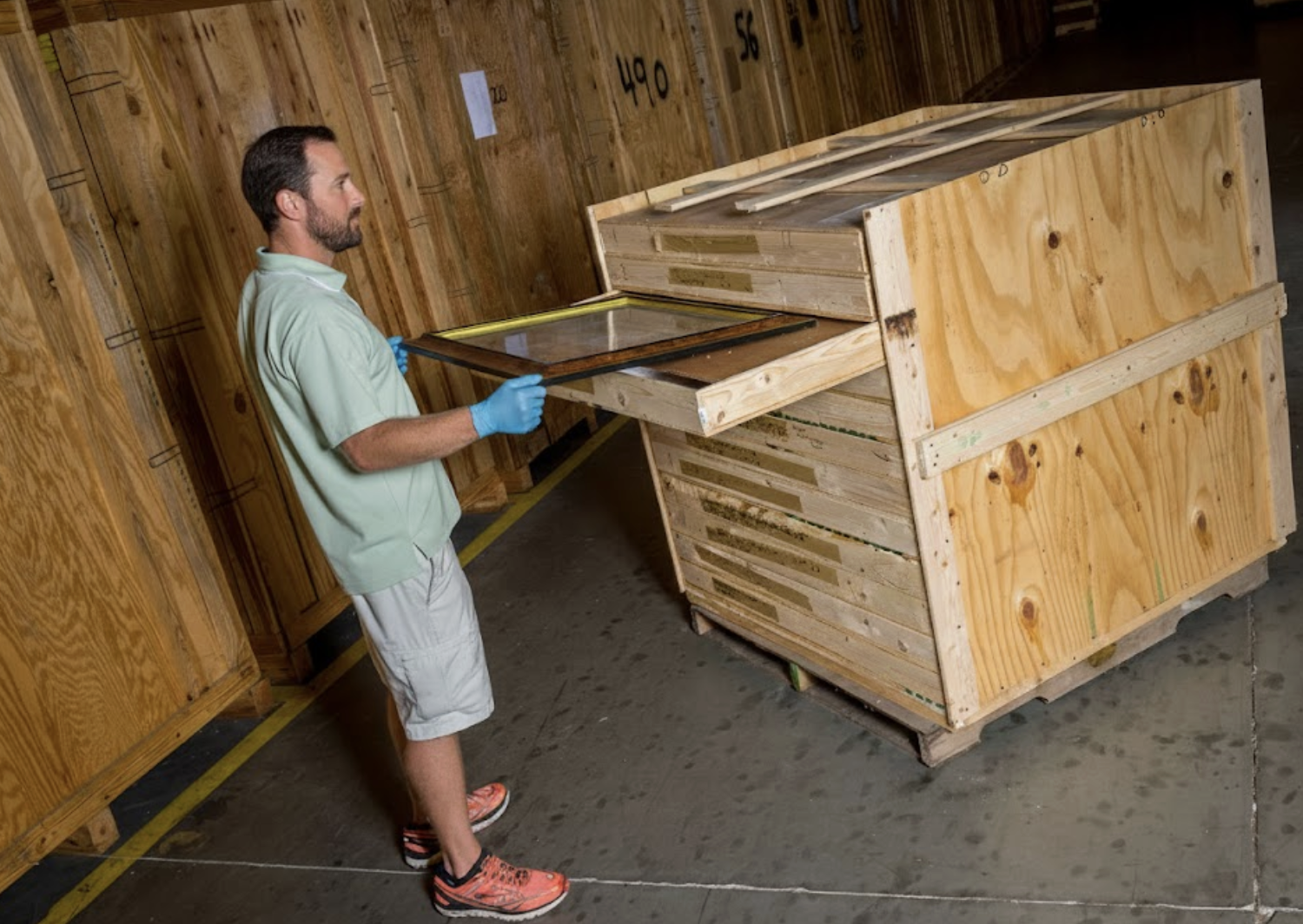
.jpg)
Most high-end furniture handles a white-glove move well. Careful handling and blanket wrapping are usually enough. Fine art and antiques are different. Three variables change everything.
Vibration damage builds over time
Road vibration does more damage than most people expect. Over a few hundred miles, it can stretch canvas fibers, loosen joinery in antique case pieces, and fracture painted surfaces. None of it shows up at delivery. The evidence appears months later as a crack, a loose veneer, or lifting pigment. By then, nobody suspects the move.
Climate is the leading cause of damage
Paint, wood, gilding, and lacquer all expand and contract at different rates. A piece moving from a climate-controlled gallery to a warm loading dock to a humid truck can warp, crack, or grow mold within days. The temperature swings don't have to be dramatic to cause real damage.
Climate-controlled transport and storage aren't premium add-ons. They're the baseline for any piece that would cost more to restore than it cost to protect.
Standard insurance doesn't cover what you think it does
Standard moving insurance pays by weight. That has nothing to do with what a painting or bronze is actually worth. Homeowner policies often exclude high-value items unless they're scheduled.
Before any piece moves, confirm that your client's coverage reflects replacement value. Make sure it extends through transit and any storage between. Our licensed and insured team can walk through the documentation with you before anything ships.
The Designer's Workflow: Where Art Logistics Fits
Fine art and antique moving for interior designers isn't a single event. It's a recurring need across four distinct project phases.
Sourcing & Acquisition
What's Happening:
Pieces purchased from galleries, auction houses, private sellers, or dealers in different cities.
How a Specialist Helps:
Art shuttle transport, coordination with auction houses and galleries, condition photography at pickup.
Receiving & Inspection
What's Happening:
Items arriving before the space is ready, during construction or renovation.
How a Specialist Helps:
Intake documentation, condition reports, climate-controlled holding until install day.
Renovation / Active Project
What's Happening:
Art and antiques need a safe place while the project is active.
How a Specialist Helps:
With climate control, inventory tracking, and flexible retrieval scheduling.
Installation Day
What's Happening:
Everything needs to arrive in sequence, in condition, and on time
How a Specialist Helps:
White-glove placement, fine art handling, coordination with your install team and contractors
6 Questions Designers Should Ask Any Art Mover
Use these before hiring anyone to handle a client's fine art or antiques. The answers will tell you if you're talking to a specialist or a general mover who also handles art.
Do you build custom crates in-house?
In-house crating means tighter tolerances, faster turnaround, and direct accountability. Outsourced crating adds a hand-off and often reduces precision.
What are your climate specs during transport?
Don't accept "our trucks are climate-controlled." Ask for documented temperature and humidity ranges. A professional answer will include target RH percentages and how they're monitored in transit.
Can you walk me through your chain-of-custody process?
Every handler from pickup to placement should be accounted for. If the answer is vague, that's your answer.
Does your insurance cover the full replacement value of each piece?
Ask about per-piece limits. Confirm that coverage extends through interim storage. Check whether they provide condition reports that can support a claim.
Have you handled pieces like these before?
Ask about the medium, period, and scale. "High-value items" isn't specific enough. Experience with antique lacquerwork is not the same as experience with contemporary canvases.
What is your process if something arrives damaged?
Every professional operation has a clear, documented claims process. Hesitation or vagueness here is a warning sign. It doesn't matter how polished everything else sounds.
The Designer's 5-Point Checklist for Art & Antique Moves
Print this. Share it with your project coordinator. Run it before every significant move.
.jpg)
- Inventory documented before anything moves. Record the artist or maker, medium, dimensions, condition notes, and current value for every piece. Add high-resolution photographs taken under raking light. You'll need this for any insurance claim or condition dispute at delivery.
- Insurance confirmed for transit and storage. Your client's homeowner policy may not cover pieces in transit or in a third-party facility. Check before the move. Ask about replacement value coverage and any exclusions for pieces leaving the residence.
- Receiving confirmed before shipment. Lock in your designer receiving partner before any vendor ships. If receiving isn't confirmed, pieces may end up waiting in an uncontrolled environment.
- Climate requirements communicated to every party. Every piece has specific needs. Lacquer, works on paper, and previously restored antiques are all sensitive. Share those requirements explicitly with your logistics team. If pieces are holding between stages, confirm climate-controlled storage is in place.
- Install sequence planned before delivery day. Pieces should arrive in installation order, not acquisition order. Give your logistics team the floor plan, the sequence, and any access limitations before the truck is loaded.
Frequently Asked Questions
At sourcing, not at At sourcing, not at delivery. If you're acquiring pieces from multiple sources, whether galleries, auction houses, or private sellers, you want a single logistics partner coordinating intake, storage, and release from the beginning. Bringing them in at the end means recreating a chain of custody that should have existed from the start.
Both, provided the shuttle is climate-controlled and the piece is properly packed. For antique transportation between major markets like New England to Florida, it's a far more cost-effective option than dedicated one-off transport. We run regular routes serving Naples, Miami, Boston, and New York.
Renovation storage should include continuous climate regulation, not just cooled space, documented intake with condition photographs, and a clear retrieval process tied to your project schedule. If you're in coastal Florida, confirm the facility has hurricane protection protocols. For pieces of meaningful value, that's not optional.
If any of those pieces are missing, the process has a gap.
When a vendor ships to a receiving warehouse, the piece is inspected and photographed on arrival. It stays in climate-controlled storage until the space is ready. On install day, your logistics partner handles delivery and placement in sequence. This takes the coordination off your plate and protects both you and your client if a damage dispute comes up.
We’ve watched pieces degrade in uncontrolled storage. There’s no middle ground here.
Our complete fine art moving guide is written for collectors managing their own collections. It covers packing science, crating specifications, and insurance documentation in depth. This guide is written for designers who need to know enough to brief specialists and protect their clients' pieces across a project. Different audience, different depth.
Working with William C. Huff on Designer Projects
William C. Huff's Elite Designer Services are built specifically for the way interior design projects work. Multi-source acquisitions, active renovation timelines, install-day coordination, and clients who expect zero surprises.
We offer designer receiving and inspection, fine art moving, antique transportation, climate-controlled storage, and art shuttle service across our Florida and New England markets.
We work with home designers, builders and architects, art advisors, and private clients on exactly these logistics.