What Happens to Your Belongings During a Home Renovation? A Guide to Renovation Move Logistics
.jpg)
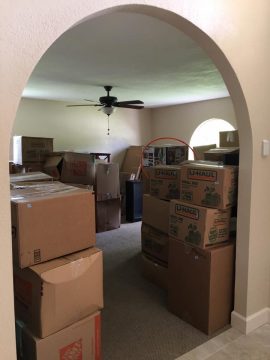
A kitchen gut renovation. A whole-home remodel in Naples. An addition that means the whole first floor needs to be cleared out for three months. Whatever the project, the same question comes up early: what do we do with everything while the work is happening?
It's a bigger logistics problem than most homeowners expect, and it's one William C. Huff has been solving for renovation projects across New England and Southwest Florida for over a century.
Why Renovation Moves Are Different From a Regular Move
A typical move happens once, in one direction, on one day. A renovation move is different in almost every way that matters:
- Timelines shift. Contractors run late. Permits get delayed. A three-month project becomes a five-month project, and whatever plan you made for storage needs to flex with it.
- Not everything leaves at once. Sometimes it's the whole house. Sometimes it's just the rooms under construction, while the rest of the household keeps living around the work.
- Items need to come back in a specific order. Furniture that goes back into a finished room before flooring is done gets damaged. Sequencing the return matters as much as the initial move-out.
- Dust, debris, and construction traffic are a real threat to anything left in place, not just what's being stored.
A renovation move isn't just "moving, but temporary." It's a different kind of project that needs its own plan.
How William C. Huff Handles a Renovation Move
Pre-move consultation and inventory Before anything is packed, we walk through the project timeline with you and your contractor if needed. What needs to leave immediately, what can stay covered and protected in place, and what's coming back first once the work is done.
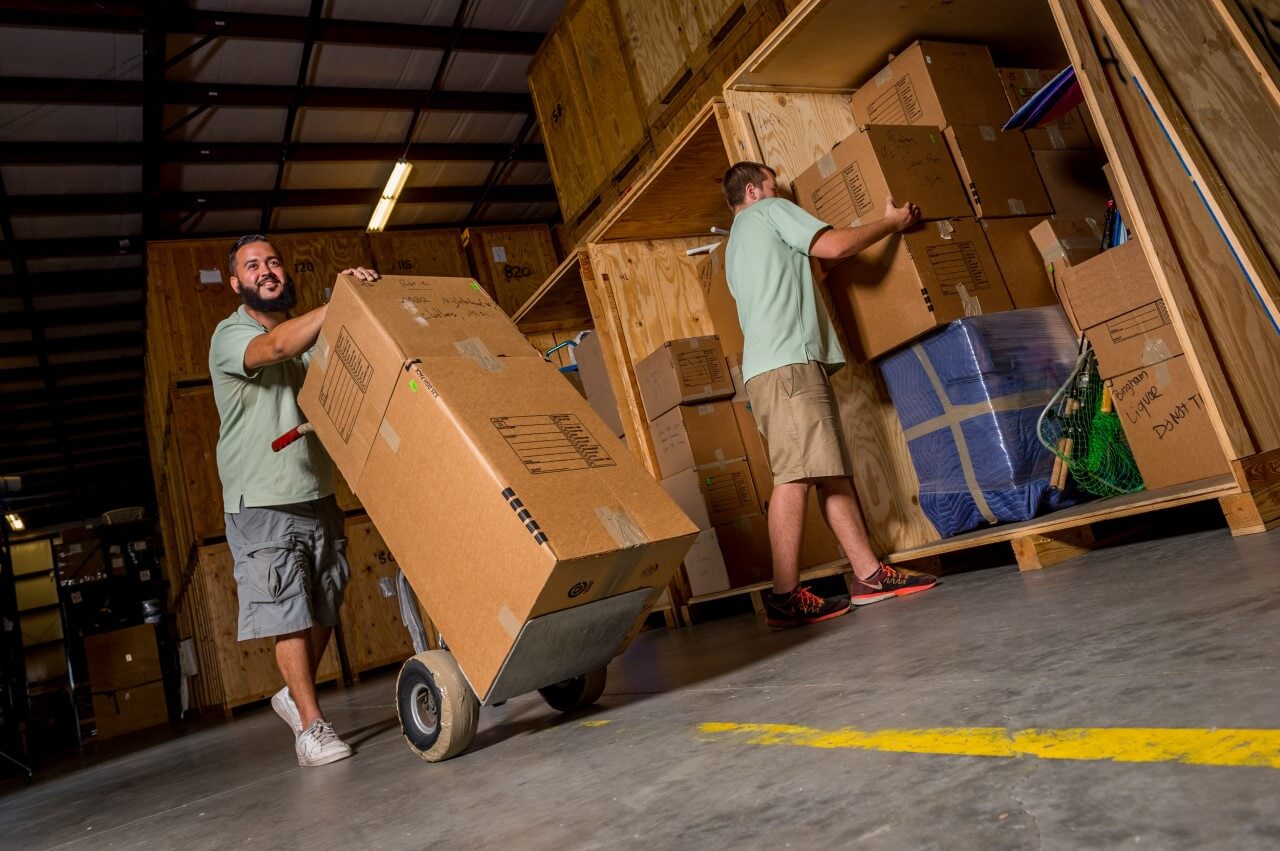
Careful packing and pickup Furniture, art, rugs, and fragile items are packed and removed with the same white-glove care used on any William C. Huff move, not treated as a lower priority because it's "just storage."
Climate-controlled storage for as long as the project takes Renovation timelines are unpredictable. Storage is billed for as long as you actually need it, whether that's six weeks or six months, in the same climate-controlled facilities used for fine art and seasonal storage.
Staged, sequenced move-back-in Once the renovation is finished, items don't just come back all at once. We coordinate the return around what's actually ready, so a finished bedroom gets its furniture back before the hallway outside it is done, not after.
If you're working on a high-end residential or commercial renovation with multiple vendors and a longer timeline, our guide to planning a move for a high-end renovation project walks through the process in more detail.
What to Ask Before Choosing a Storage and Moving Partner for a Renovation
If you're comparing options, a few questions worth asking directly:
- Is the storage climate-controlled, or just a garage-style unit? Naples humidity and New England temperature swings both take a toll on furniture and finishes left in uncontrolled conditions.
- Can they flex the storage timeline if the renovation runs long, without penalty fees that assume a fixed move-out date?
- Do they coordinate the return sequence with your contractor, or just drop everything off in one batch?
- Is the same team handling pickup, storage, and delivery, or does it change hands partway through?
Key Takeaways
- Renovation moves need a different plan than a standard move, since timelines shift and items often need to return in a specific sequence
- Climate-controlled storage protects furniture and finishes from humidity and temperature swings during long renovation timelines
- William C. Huff has managed moves and storage projects since 1908, with the same white-glove standard used across residential, commercial, and fine art moves
- Storage duration should flex with the actual renovation timeline, not a fixed estimate made before the project started
A Few Things Worth Knowing About Renovation Timelines
According to the National Kitchen and Bath Association, a standard kitchen remodel typically runs 6 to 12 weeks, with larger projects involving structural changes stretching well beyond that. Permitting timelines and material lead times (custom cabinetry and countertops often run 8 to 12 weeks on their own) are the most common reasons a project outlasts its original estimate. That gap between the original estimate and the actual timeline is exactly why flexible storage terms matter more on a renovation move than almost any other kind.
For homeowners managing a larger project, the Environmental Protection Agency's guidance on renovation and construction dust is worth a look too, particularly for older homes where dust and debris control has real health implications for anything left in the space during work.
Frequently Asked Questions
How far in advance should I schedule a renovation move? As soon as you have a rough start date from your contractor. Renovation schedules shift, and having storage and moving already arranged means a delayed start doesn't leave you scrambling.
What if my renovation takes longer than expected? Storage is billed for the time you actually use, not a fixed estimate. If a three-month project becomes a five-month project, your items stay protected without needing a new arrangement.
Can you store just part of a home while we still live in the rest? Yes. Many renovation projects only require moving out the rooms under construction. We can handle a partial move just as easily as a full one.
Do you coordinate directly with our contractor on timing? Yes. Confirming move-out and move-back-in windows directly with your contractor helps make sure items return in the right sequence, once each space is actually ready.
Is renovation storage climate-controlled? Yes. The same climate-controlled facilities used for fine art and seasonal storage apply to renovation storage, which matters for protecting furniture and finishes from humidity and temperature swings during Naples summers or New England winters.
Planning a renovation in Southwest Florida or New England? Contact William C. Huff to talk through a moving and storage plan built around your project timeline, not a generic moving date.