What Is Art Shuttle Service, and Who Needs It?
Published · By Derek Showerman
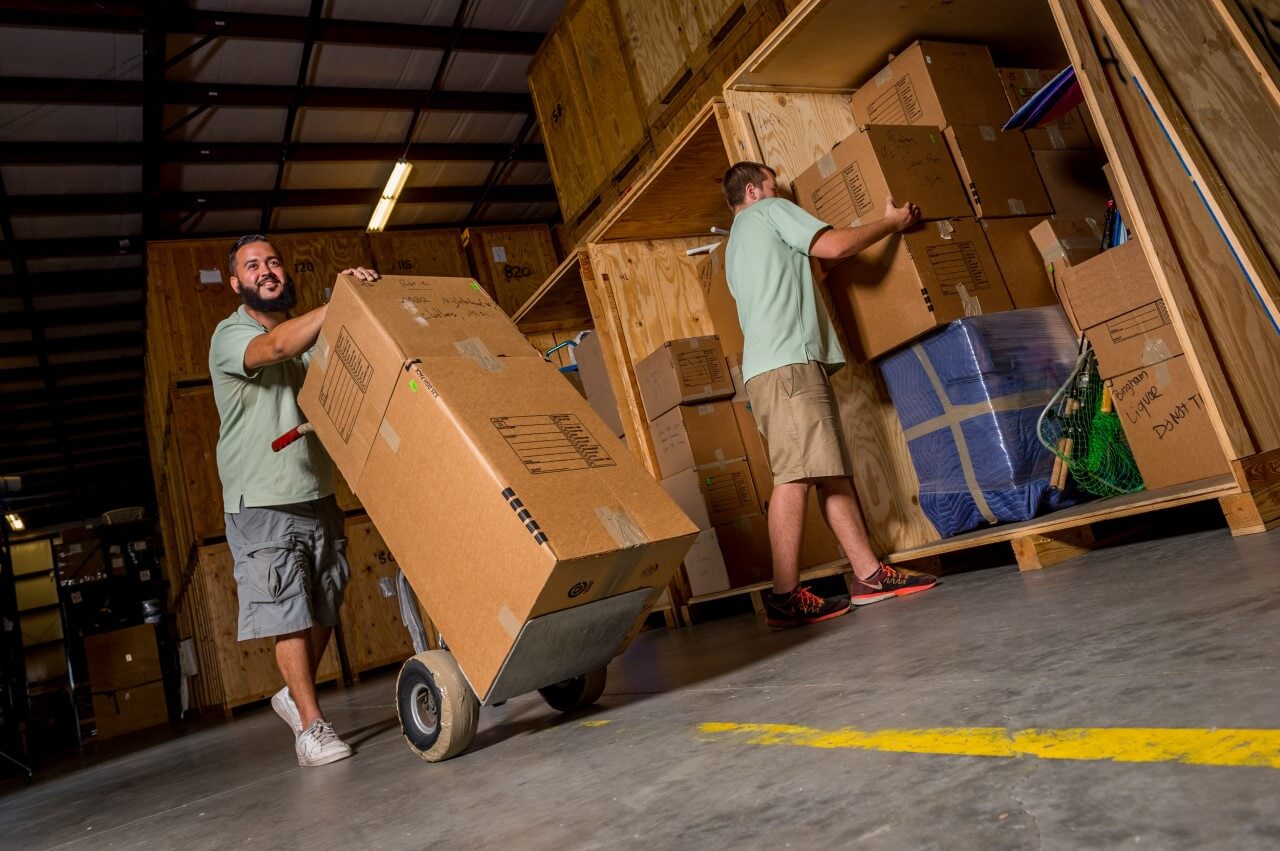
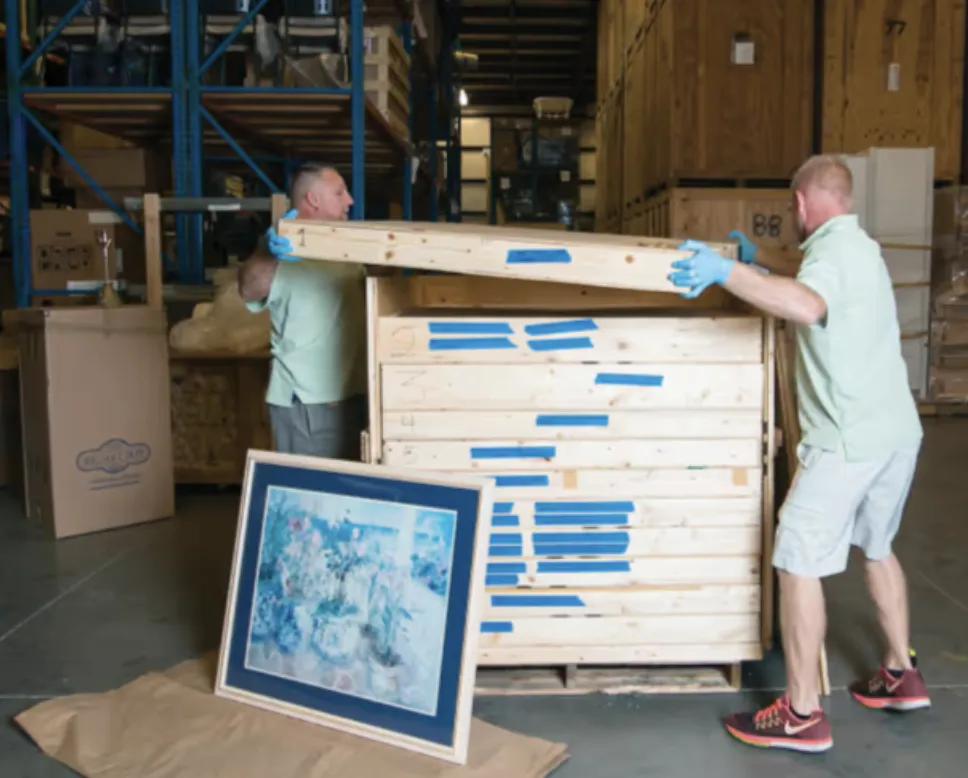
Fine art doesn't travel the way furniture does. A painting moving between a gallery show in Naples and a private collection in New Hampshire needs the same climate control, the same handling standards, and the same level of care at every single stop along the way, not just at pickup and delivery. That's the gap Art Shuttle service is built to close.
For a broader look at how fine art is packed, insured, and transported, see our fine art moving guide.
Key takeaways:
- Art Shuttle service is a scheduled route for transporting fine art, built around consistent climate control and condition reporting at every stop, not a one-off freight run.
- It's used by galleries moving inventory between shows, collectors relocating or lending pieces, and designers coordinating art for client installations.
- It differs from standard freight and from hiring a single truck for one trip: freight skips climate control and condition reporting, and a one-off truck doesn't offer the consistency of a recurring, purpose-built route.
What Art Shuttle Service Actually Covers
Art Shuttle service is a scheduled, recurring transport route dedicated to fine art, built for collectors, galleries, and designers who move pieces on a regular basis rather than once. Instead of booking a separate truck every time a piece needs to travel, the shuttle runs on a set schedule between regions, so art can move on a predictable timeline with the same handling standards every time.
Scheduled regional routes. Because the route runs on a consistent schedule rather than being arranged trip by trip, each piece benefits from a proven process rather than a one-time setup. That consistency also tends to lower both risk and cost compared to arranging individual, one-off transport for every move. William C. Huff's shuttles follow established monthly routes covering major cities across the U.S.
Handling standards. Every piece is crated to its specific needs, transported under climate control, and documented with a condition report at pickup and again at delivery. That paper trail matters. It's the difference between "the piece looked fine when it left" and having an actual record that protects everyone involved, including the client.
Tracking and security. Trucks are tracked by GPS in real time, and high-value pieces can be zip-tie sealed in tamper-evident bags with AirTag tracking.
Who Uses Art Shuttle Service
This service tends to serve a few recurring types of clients:
- Galleries moving inventory between shows or rotating pieces through multiple locations
- Private collectors relocating a piece, lending it to an exhibition, or moving between seasonal residences
- Interior designers coordinating art as part of a larger client installation, where timing needs to line up with designer receiving and inspection and the rest of the project
What connects all three is frequency. These aren't one-time moves. They're the kind of recurring transport need that benefits from a dedicated, specialist process rather than starting from scratch every time.
How It's Different From Standard Freight or a One-Off Mover
It's worth being direct about why this isn't the same as calling a general freight company or hiring a single truck for the trip.
Standard freight is built for volume and speed, not fine art. It typically doesn't include climate control, and condition reporting isn't part of the process. For a couch, that's fine. For a painting or sculpture with real value and real sensitivity to temperature and humidity, it's a meaningful gap.
A one-off truck solves the immediate problem but doesn't offer route consistency. Every trip starts over: new scheduling, new coordination, no established rhythm. For a single move, that might be fine. For a gallery or collector who needs this handled multiple times a year, it adds friction and risk that a scheduled shuttle route is designed to remove.
Art Shuttle service is one part of a broader white glove moving approach, where the same care and attention applies whether it's a single painting or an entire household.
What to Expect: Booking, Timing, and Handling
Booking a spot on an Art Shuttle route starts with lead time. Because the route runs on a set schedule, the earlier a piece is booked in, the more flexibility there is around timing.
At pickup, the piece is inspected and documented with a condition report before it's crated and loaded. That same process repeats at delivery, so there's a clear record on both ends. Throughout transport, the vehicle maintains climate control appropriate to fine art, not just general cargo.
Every situation is different, so the right next step is a conversation about the specific piece, timeline, and route. Reach out for a quote to get exact scheduling and handling details for your move.
Frequently Asked Questions
What's the difference between Art Shuttle service and regular moving service? Art Shuttle service is built specifically for fine art on a recurring, scheduled route, with climate control and condition reporting built into every trip. General moving service covers households and offices and isn't structured around the specific needs of transporting art.
How often do Art Shuttle routes run between Florida and New England? Shuttles follow established monthly routes covering major cities across the U.S., including Boston, New York and Washington, D.C. Exact dates depend on the current schedule, so it's best to reach out directly to confirm the next available slot for a specific piece or collection.
Is my art insured during transport? William C. Huff is fully licensed and insured for interstate transport, and valuation insurance options are available for higher-value pieces. Coverage depends on the piece and the situation, so it's worth confirming the details before anything is scheduled.
Can a single piece be shuttled, or only full collections? A single piece can be shuttled. The service isn't limited to full collections. It's built around whatever a gallery, collector, or designer needs moved, whether that's one painting or an entire installation.
The Bottom Line
Fine art that moves more than once needs a process built for that reality, not a workaround. Art Shuttle service gives galleries, collectors, and designers a consistent, climate-controlled route with proper documentation at every stop, without having to rebuild the process from scratch each time a piece needs to travel.
If you're coordinating a move for a single piece or an entire collection, reach out for a quote and we'll walk through timing and handling for your specific situation.
William C. Huff has been handling fine art and white glove moving since 1908.