Choosing the Right Fine Art Handling & Storage Facility
Published · By Derek Showerman
Key Highlights
- Preservation is Priority: Fine art requires specialized environments to prevent warping, cracking, or fading.
- Climate is King: True art storage utilizes strict temperature and humidity controls.
- Beyond the Box: Look for a partner that offers custom crating and white-glove transportation.
- Vetted Experts: Only trust teams with deep experience and specialized training in fine art handling.
Your Collection Deserves Better Than a "Unit"
Your art collection is more than decoration; it’s a legacy. But as every collector eventually learns, wall space is a finite resource. When you’ve run out of room to display your pieces, finding the right home for them becomes a high-stakes decision.
Standard storage units are fine for holiday decorations, but for a delicate oil painting or a structural sculpture, they can be a death sentence. To maintain the integrity and value of your investment, you need a facility that treats your art with the same reverence you do. This guide will help you navigate that selection process.
What Sets a Premier Art Handling Company Apart?
When you're vetting a company, you aren't just looking for square footage. You’re looking for a team of professionals who understand the chemistry of preservation and the physics of safe movement.
Experience and Reputation
In the world of fine art, longevity matters. A company with a century of experience, like William C. Huff, has seen it all—from cross-country relocations of massive sculptures to the delicate climate needs of 17th-century canvases. Check reviews, but also look for a presence in art-centric hubs like New York or Los Angeles; these teams are accustomed to the high standards of serious museums and private collectors.
Trained Staff vs. General Labor
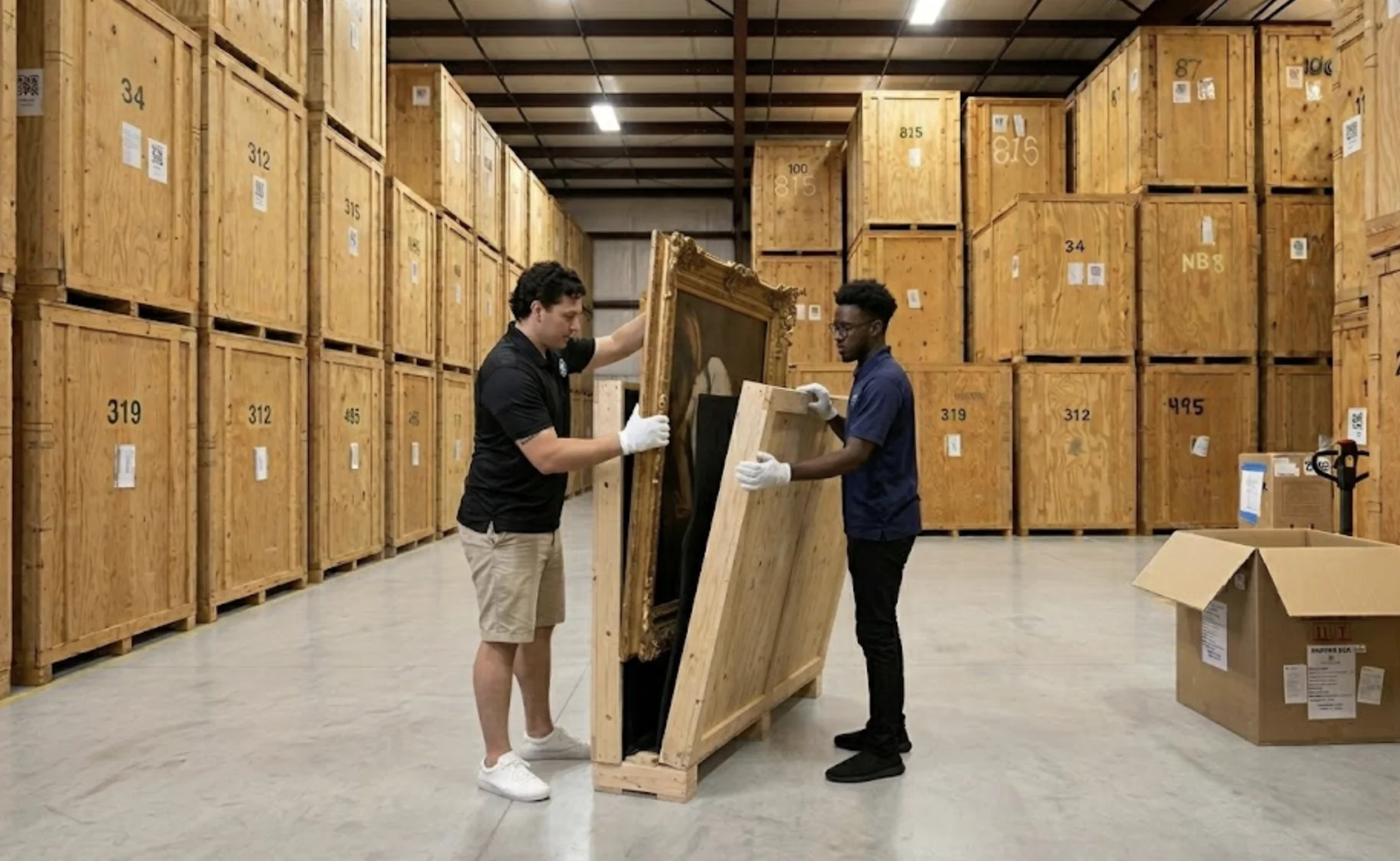
The hands touching your art should be highly trained. Ask about their internal training protocols. A professional art handler understands how to breathe, move, and even stand around a delicate piece. They should also provide meticulous documentation, cataloging every detail from the medium to the current condition before a single finger is laid on the frame.
Specialized Art Warehousing vs. Standard Storage
If you’re wondering if that local self-storage place is "good enough," the answer is almost certainly no. Here is how a dedicated art storage facility compares to the average "lock and leave" unit:

The "Invisible" Danger: Climate & Environment
Environmental fluctuations are the silent enemies of art. When humidity jumps, wood expands and mold finds a home. When it’s too dry, paint becomes brittle and flakes.
- Temperature: Ideally kept between 65°F and 75°F to prevent material expansion.
- Humidity: The "sweet spot" is generally 45% to 55%.
- Light: Professional facilities use filtered lighting or keep areas dark to prevent UV damage and fading.
At William C. Huff, we’ve taken this a step further with our solar-powered warehouse, ensuring that even our environmental footprint is as considered as our preservation techniques.
More Than Just a Place to Sit
A full-service partner should handle the "life cycle" of your art, not just the storage.
- Packing & Crating: Forget bubble wrap and cardboard. High-value pieces require custom-engineered crates and acid-free, archival materials that won't react with the artwork’s surface.
- Transportation: Whether you are moving pieces across town or across the globe, you need specialized vehicles and a team that manages the logistics, including customs and insurance.
- Installation: Once your art leaves storage, the job isn't done. Having a technician who knows how to securely hang a 100-pound mirror or place a heavy bronze sculpture ensures the safety of both the piece and your home.
Conclusion: A Century of Care
Choosing a facility is the most important decision you can make for the longevity of your collection. By prioritizing climate, security, and proven expertise, you ensure your art remains vibrant for generations to come.
With over over 100 years of experience, William C. Huff combines old-world care with modern technology. From our solar-powered storage to our dedicated locations in Florida and New England, we provide the highest standard of care in the industry.
Frequently Asked Questions
What should I look for in a fine art handling and storage facility?
When selecting a fine art handling and storage facility, prioritize experience, reputation, and specialized training of staff. Additionally, consider security measures, climate control features, and the availability of additional services like packing and transportation to ensure the safety and preservation of your valuable artwork.
How can I ensure my artwork is properly protected during transportation?
To ensure your artwork is properly protected during transportation, use specialized crating and packing techniques. Additionally, select a company with experience in art handling, utilize climate-controlled vehicles, and ensure adequate insurance coverage for peace of mind throughout the transport process.
What types of climate control are necessary for storing fine art?
Proper climate control for fine art storage includes temperature regulation between 65-75°F and humidity levels around 40-60%. Additionally, minimizing exposure to direct light is crucial. Advanced monitoring systems ensure consistent conditions, protecting valuable pieces from damage and deterioration over time.
Are there specific insurance options available for art stored in a facility?
Yes, many art handling facilities offer specialized insurance options tailored to cover various risks associated with art storage. Policies may include coverage for damage, theft, or natural disasters, ensuring that valuable collections are adequately protected while in storage.